MADAGASCAR: YOU MUST ALWAYS MOVE FORWARD WHILE RESPECTING THE RULES, OVERCOMING THE OBSTACLES IN YOUR PATH, AND EVENTUALLY YOU WILL REACH YOUR GOALS
“You must always move forward while respecting the rules, overcoming the obstacles in your path, and eventually you will reach your goals”
Thanks to:
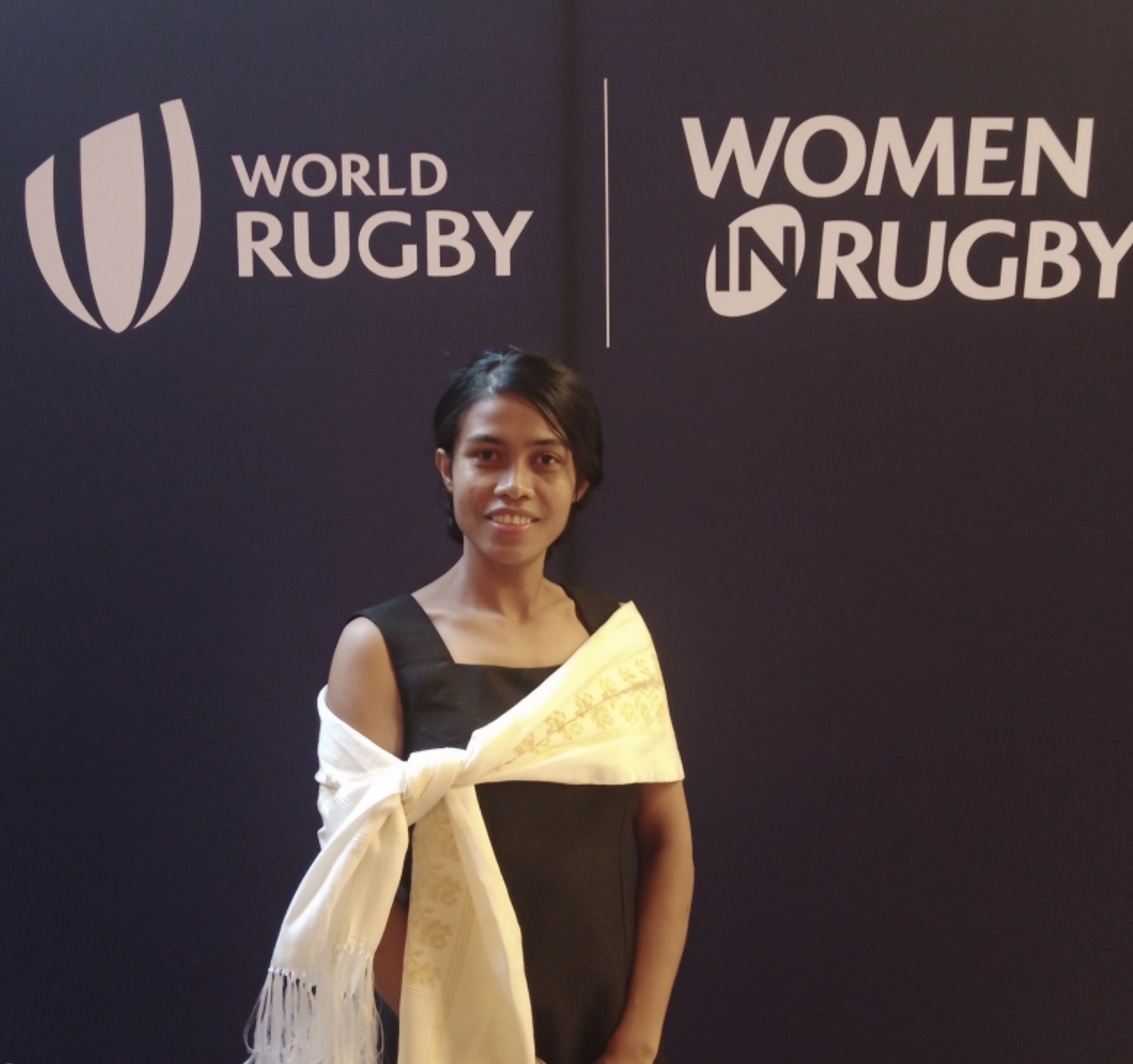
Ando Naina Herimahefa
Manager of Women’s Rugby Madagascar
- The history of the women’s movement in Madagascar
- Testimonials
- Reading time: 7 minutes
MADAGASCAR - Find out more
Madagascar is an island republic in East Africa with about 30.3 million inhabitants in 2024 and a slight female majority. Women hold 19.4% of parliamentary seats and participate in the labor force at a rate of 86.3%, compared to 89.9% of men. Despite the high level of economic participation, there remain significant disparities in access to decision-making roles and legal protections. (Source: data.unwomen.org; World Bank Gender Data Portal; IPU Parline; INSTAT Madagascar)
HISTORY OF THE COUNTRY
1. When did the women’s rugby movement start in your country and what is its history? How is rugby structured in your country?
The first women’s rugby team in Madagascar was created in September 1988. In the early 1990s, women’s rugby began to develop in the capital, Antananarivo. Internationally, the women’s rugby adventure began with rugby sevens in 2008, at the Bourbon regional tournament in Réunion. On the African stage, the Makis Ladies made their first appearance in a sevens tournament in 2011, while in fifteens they debuted in 2019. For the first time in history, Madagascar gained global recognition with the Makis Ladies’ qualification for the Rugby World Cup Sevens in 2022. In fifteens, the Makis Ladies qualified for WXV 3 in 2024. Currently, there are 20 clubs divided into two divisions (Division 1 and Division 2) that participate in the national championship. At the youth level, rugby is mostly promoted through community and school rugby in the capital, but also through regional championships held across the country’s 14 regions.
2. Do you think playing rugby has a social impact for a woman in your country? In your opinion, what can rugby offer to women in your country?
I believe that playing rugby has a social impact for women in Madagascar, as it breaks down gender stereotypes by proving that rugby is not just a men’s sport. Moreover, rugby provides opportunities for education, employment, and personal development, and it encourages physical activity and the fight against a sedentary lifestyle. In my opinion, rugby teaches our women fundamental values such as discipline, respect, and team spirit. It also promotes their empowerment through sport and competition. Rugby also showcases female players on the international stage and offers them opportunities to become professionals, especially since most of them come from modest families. Certainly, your contribution will be acknowledged with gratitude.
JOURNEYS THROUGH RUGBY
1. When did you start playing rugby and how you discover it?
I started playing rugby when I was at university; that’s when I first touched an oval ball. As a child, I used to watch rugby players on TV and thought it was a tough, almost brutal sport. But once I understood the rules, I realized rugby is fun — especially with the fundamental rule of always passing the ball backward to move forward and score a try.
2. What has rugby taught you that has impacted your daily life? Can you give me an example of when a rugby mindset was useful?
Rugby has taught me perseverance, courage, and discipline. You must always move forward while respecting the rules, overcoming the obstacles in your path, and eventually you will reach your goals.
At the beginning of my career as a rugby referee, I knew little or nothing about refereeing, but I told myself I could succeed. Watching other referees on the field, I wondered how I could assert myself. I had no experience and no family connections in rugby. However, I was not discouraged; I trusted myself and kept going despite the obstacles.
3. Can you give me 3 words that connect rugby to freedom?
Respect, Solidarity, Inclusiveness.
4. What does live in a land of freedom mean to you?
For me, living in a free country means living in peace without war. We are free to express our opinions, free to do what we want without harming others, and everyone respects one another.
5. What object represents you and why? What is an aphorism that guides your life?
A bee — because I like to spread joy, but I am protective of those around me.
“Nothing is difficult when you have determination”.