MALTA: I ALWAYS TRY TO LOOK AHEAD, ADAPT TO CHANGE, AND FIND THE BEST DIRECTION WHILE STAYING TRUE TO MY STAYING TRUE TO MY VALUES
“I always try to look ahead, adapt to change, and find the best direction while staying true to my values”
Thanks to:
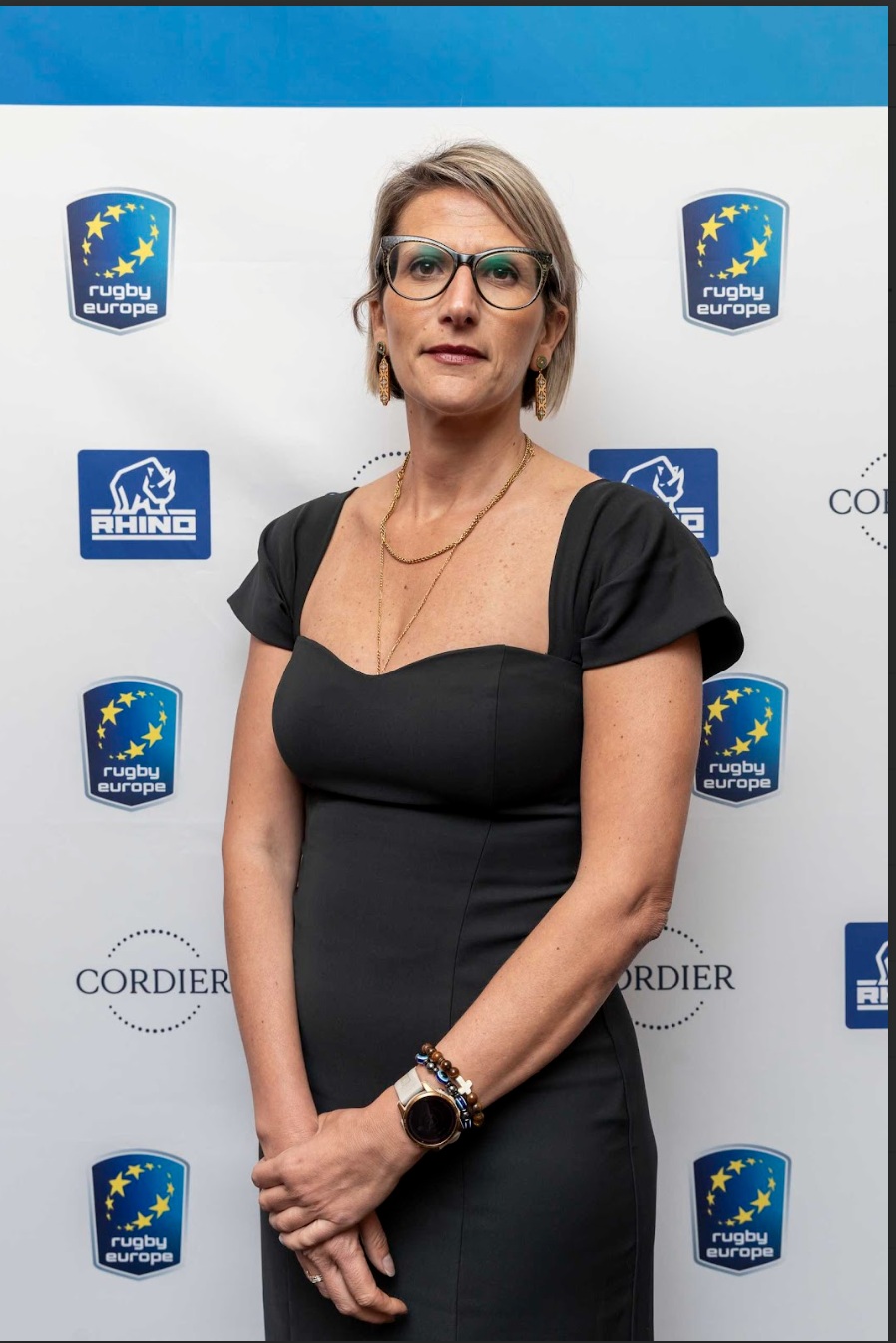
Audrey Vella
Member of the Malta Rugby Council and member of the Board of Directors of Rugby Europe
- The history of the women’s movement in Malta
- Testimonials
- Reading time: 7 minutes
MALTA - Find out more
Malta is a parliamentary republic in the Mediterranean, with about 542,000 inhabitants in 2024 and a balanced demographic distribution between men and women. Thanks to the gender quota system, women currently occupy 27.9% of parliamentary seats. Female participation in the labor market is growing, reaching close to 70%, but disparities persist in the sharing of domestic work and in leadership representation. Official data on the gender pay gap and gender-based violence remain limited.
(Source: data.unwomen.org; Freedom House; maltatoday.com.mt; theglobaleconomy.com; eurostat.ec.europa.eu)
HISTORY OF THE COUNTRY
1. When did the women’s rugby movement start in your country and what is its history? How is rugby structured in your country?
Women’s rugby in Malta began in 2004, when the first women’s team was formed. The wives, girlfriends, and sisters of male players decided to start playing rugby instead of just watching.
Women’s rugby in Malta has faced many challenges but has also experienced important milestones. At the beginning, it was difficult to attract players, but some determined individuals worked hard to create a competitive structure. The first club team had to play against men or touring teams in order to gain match experience. They practiced both sevens and fifteens rugby. The national team participates in European rugby sevens competitions. Although development has been inconsistent, there have been periods of growth. However, sustainability has remained a problem, with fluctuating numbers making it difficult to maintain a stable league. Currently, there are 4 women’s teams in Malta, and club rugby is mainly focused on sevens due to the limited number of players. The structure varies, but efforts are underway to create a more stable league. The Maltese women’s national team continues to participate in international rugby sevens tournaments.
2. Do you think playing rugby has a social impact for a woman in your country?
Yes, absolutely. Rugby challenges traditional gender expectations in Malta, where contact sports for women are not widely promoted. Playing rugby gives women confidence, strength, and resilience — both physically and mentally. It also builds friendships and a strong sense of belonging, which can be particularly important in a small country.
3. In your opinion, what can rugby give to women in your country?
Rugby can offer women empowerment, discipline, and a sense of achievement. It teaches leadership, teamwork, and perseverance — all qualities that are useful beyond sport. In addition, it represents a platform to inspire future generations to be strong and fearless.
JOURNEYS THROUGH RUGBY
1. When did you start playing rugby and how did you discover it?
In 2004. My friend asked me to go with her to watch a rugby training session because she was interested in starting the sport.
2. What has rugby taught you that has impacted your daily life? Can you give me an example of when a rugby mindset was useful?
Rugby has taught me perseverance, resilience, teamwork, and adaptability. It has shown me the value of overcoming challenges, supporting others, and always finding a way forward, even in difficult situations.
It has been invaluable in my leadership roles in my professional career, where teamwork, strategic thinking, and resilience are crucial. When I have to make difficult decisions, I rely on the principles rugby has instilled in me: staying calm under pressure, working together, and never giving up.
3. Can you give me three words that connect rugby with freedom?
Strength, Expression, Belonging.
4. What does living in a land of freedom mean to you?
It means having the possibility to express oneself, make choices, and create opportunities without unnecessary barriers.
5. What object represents you and why? What is an aphorism that guides your life?
A compass. I always try to look ahead, adapt to change, and find the best direction while staying true to my values.
“Everything happens for a reason. Learn from it, grow with it, and keep moving forward.”