RWANDA: I HAVE LEARNED THAT BEING A RUGBY PLAYER DOES NOT END WHEN YOU LEAVE THE FIELD
“I have learned that being a rugby player does not end when you leave the field”
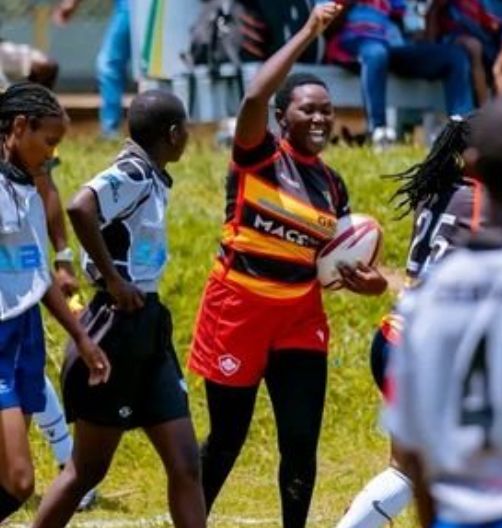
Thanks to:
Eulide Ubazimana
Coach and Advisor for the Rwandan Women’s Federation
- The history of the women’s movement in Mexico
- Testimonials
- Reading time: 7 minutes
RWANDA - Find out more
Rwanda is a republic in East Africa with about 13.6 million inhabitants in 2024, with the population almost equally divided between women and men. It is the first country in the world with a female majority in parliament: over 61% of seats in the Chamber of Deputies and about 54% in the Senate are occupied by women. This representation is the result of a 30% constitutional quota introduced in 2003, which has been consistently exceeded. In the labor market, women’s participation has steadily increased in recent years, reaching over 52% in 2023, gradually approaching that of men. Moreover, thanks in part to the post-genocide context, women occupy influential roles in government, the judiciary, and the private sector, although challenges remain in rural areas and traditional social norms.
(Source: Le Monde; UN Women; World Bank Gender Data Portal; SDG16.plus; Wikipedia – Reserved political positions; Maxinomics)
HISTORY OF THE COUNTRY
1. When did the women’s rugby movement start in your country and what is its history? How is rugby structured in your country?
The women’s rugby movement in Rwanda began in 2001. Its history is still unfolding, but here is what we know so far: Early stages: Rwanda’s women’s national rugby team played its first international match in 2005 against Uganda in Kigali. A second match was held the same year in Kampala. In 2012, the women’s team played an international match against Burundi in Bujumbura. The team also participated in the Women’s CAR Sevens Tournament in 2006 and 2007. Growth and development: Friends of Rwandan Rugby (FoRR), a charity founded in 2004, played a significant role in developing school and youth rugby, both for boys and girls, especially in rural areas. The Rwanda Rugby Federation (RRF), formed in 2002, became an associate member of World Rugby in April 2004 and a full member in 2015. Since then, it has worked to build rugby communities across the country. The Get Into Rugby (GIR) program has been used to encourage girls to try, play, and stay in rugby. Under this program, a women’s tournament was organized in 2019. Recent developments: In 2024, Rwanda hosted its first national women’s rugby 15s championship, with four participating teams. Ruhango Zebras Women RFC were crowned champions. The RRF president highlighted the growth of women’s clubs and expressed optimism about the future of the national women’s team.
Key points: Rwanda’s women’s rugby is relatively young: the first international match was in 2005. Organizations like FoRR and the RRF have been essential in introducing and developing the game among girls and women. The launch of the first national 15s championship in 2024 is a clear sign of progress and commitment to women’s rugby. Rugby 15s: The establishment of the national women’s 15s championship in 2024, with four teams, marks an important step toward a more solid competitive structure. / Rugby 7s: Historically, Rwanda’s women’s rugby has leaned toward sevens, more common in emerging rugby nations due to fewer players required and a faster pace. These tournaments have encouraged wider participation and helped identify new talent.
2. Do you think playing rugby has a social impact for a woman in your country?
Yes, playing rugby can have a significant social impact for women in Rwanda, fostering empowerment and challenging traditional gender norms in several ways: Breaking stereotypes: Taking part in a traditionally male-dominated sport challenges social perceptions of what women can or cannot do, boosting self-confidence and resilience. / Physical and mental strength: Rugby develops strength, resilience, and strategic thinking, translating into greater confidence in daily life. / Leadership skills: Being part of a team encourages communication, collaboration, and leadership development.
3. In your opinion, what can rugby give to women in your country?
Rugby, in my view, offers a powerful combination of physical, mental, and social benefits that can truly empower women in Rwanda: Physical empowerment: Improves strength, endurance, agility, and overall health. This sense of physical capability enhances everyday confidence. / Body acceptance: Shifts focus from aesthetics to performance, fostering a positive body image. Women learn to value what their bodies can do rather than how they look. / Health benefits: Regular activity like rugby strengthens the heart, bones, and reduces chronic disease risks.
Mental strength: Resilience: Rugby requires facing physical and mental challenges, building endurance transferable to life. / Strategic decision-making: Its dynamic nature promotes quick thinking and decision-making under pressure. / Self-esteem: Achieving goals as an individual or team greatly boosts confidence and self-worth.
Social impact and empowerment: Teamwork and collaboration: Rugby fosters communication, cooperation, and mutual support. / Leadership opportunities: Women can take on leadership roles, motivating and guiding others. / Breaking gender barriers: Playing a “male” sport challenges societal norms and inspires others to follow their dreams, free of gender expectations.
JOURNEYS THROUGH RUGBY
1. When did you start playing rugby and how you discover it?
I started playing rugby in 2017, when I was in high school. There was a school team recruiting new players. I asked what it was, they explained, and I said: “Let’s try.”
2. What has rugby taught you that has impacted your daily life? Can you give me an example of when a rugby mindset was useful?
I learned that being a rugby player does not end on the field. There are other rugby values-integrity, solidarity, passion, discipline, and respect-that have shaped who I am today. One example is the principle of “playing until the whistle” and “never giving up on the play,” even when things seem tough.
3. Can you give me 3 words that connect rugby to freedom?
Expression: Rugby allows players to express themselves physically and mentally, just as freedom allows personal expression.
Resilience: Both rugby and the fight for freedom demand perseverance and overcoming adversity.
Unity: Rugby unites people from different backgrounds, much like the collective spirit found in freedom movements.
4. What does live in a land of freedom mean to you?
To me, living in a land of freedom means being able to express myself, make choices without fear, and pursue opportunities without unnecessary barriers. It is about respecting diverse perspectives, having the right to challenge injustice, and bearing the responsibility to protect freedom for others. True freedom is not only about personal liberties, but ensuring equal rights and opportunities for all.
5. What object represents you and why? What is an aphorism that guides your life?
As a player, coach, and adviser for the Rwanda Rugby Federation, one object that represents me is a whistle. A whistle symbolizes leadership, discipline, communication, and presence.
A quote that guides me is: “Seek first to understand, then to be understood.”
It reminds me to listen deeply, remain curious, and prioritize empathy, because true connection begins with understanding.